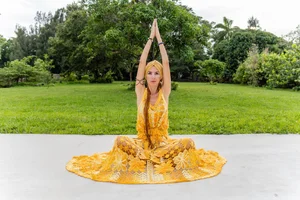

Why Roses Have Been Used in Ritual, Beauty, and Power for Thousands of Years.
What the Damask rose teaches us about presence, beauty, and objects meant to be used slowly.
Roses have never been decorative by accident. Long before they were reduced to romantic symbols or cosmetic ingredients, roses were used as tools. In ancient Persia, India, Egypt, and across the Mediterranean, rose oil and rose water were reserved for moments of transition: anointing, preparation, healing, and states of heightened awareness. The Damask rose, in particular, was not common. It was cultivated with intention, harvested carefully, and used sparingly. Not because it was rare, but because it was potent.
Scent as an Interface Between Body and Mind
Modern culture treats scent as an accessory. Historically, scent was considered an interface between the body and the mind. The olfactory system is the only sensory pathway that connects directly to the limbic brain. Memory, emotion, regulation, attraction, and safety are all influenced by smell before conscious thought intervenes. This is not mysticism. It is neurology.
When ancient cultures used rose oil, they were not chasing luxury. They were working with perception. Roses were used to soften grief, stabilize the nervous system, mark sacred thresholds, and restore coherence after shock or loss. They were used before prayer, before battle, before intimacy, and before death. Not to stimulate, but to orient.
The Rose as a Ritual Object Across Cultures
In ancient Egypt, rose petals and rose water played a central role in funeral rites, purifying and guiding the transition between states. The association with Isis, goddess of magic and rebirth, positioned the rose as a mediator between life and death. In Persia, rose oil was not ornamental. Persian gardens were designed around the rose specifically to create spaces where concentrated fragrance facilitated meditation, prayer, and mystical contemplation. Sufi poets like Rumi and Hafiz did not reference roses merely as metaphor. They described practical aromatic experiences that altered consciousness and opened pathways to presence.
In India, rose water has been used in Ayurvedic practice for centuries, valued for its cooling, balancing, and clarifying properties on both skin and mind. Across the Mediterranean, rose oil was used as a seal, a way to close a practice, a ceremony, or a moment of internal work. A reminder to integrate rather than perform.
Why This Matters Now
Modern life moves quickly, extracts constantly, and trains us to consume without contact. Most beauty products are designed for speed and accumulation. More steps. More layers. More promises. Ritual objects operate under a different logic. They are not designed to fix you. They are designed to slow you down enough to notice yourself.
The difference between a cosmetic oil and a ritual oil is not marketing. It is intention and use. Cosmetic oils aim for surface results. Ritual oils aim for state change. They are meant to be applied deliberately, in small quantities, with attention. This is where beauty becomes something other than maintenance. It becomes practice.
The Rose as Frequency
Damask rose oil carries a unique profile. Its scent is deep, grounding, and expansive at the same time. Not sweet in a simple way, not sharp or stimulating. It has weight and presence. It settles rather than excites. This is why the rose has historically been associated with sovereignty, beauty, and power rather than youth or novelty. It does not ask for attention. It commands it quietly.
There is a growing hunger for objects that are not optimized for mass use, but for meaningful use. Objects that invite presence rather than distraction. Objects that become part of a rhythm instead of a routine. This is where ritual returns, not as ceremony, but as choice.
To explore how the Damask Rose is cultivated and why ETHERNAL uses it as the foundation of every oil, visit our page dedicated to the Damask Rose Oil.
Using Rose Oil as Ritual Today
To use rose oil this way is to participate in a lineage that understood beauty as a state of alignment, not an aesthetic outcome. To treat the body not as a project, but as a place. Some things are meant to be used slowly. Some things are meant to last. Some things are meant to change how you feel, not how you look. Roses have always known this.
ETHERNAL Damask Rose Oil was created from this lineage. A rose infusion made to be used slowly, deliberately, and with attention.
Explore the ETHERNAL Signature Oil for face, hair, and body.
Discover the ETHERNAL Perfume Oil for pulse points and travel.